



Things to Do in Bali – The Ultimate Guide for New Zealand Travellers
For many New Zealanders, a trip to Bali is a rite of passage. Whether it’s a family holiday, a surf trip with mates, or a romantic escape, the "Island of the Gods" holds a special place in our hearts. But beyond the familiar streets of Kuta and the beach clubs of Seminyak, the island offers an incredible depth of culture, adventure, and natural beauty.
If you are planning your next getaway, you want to make sure you don't miss a thing. We’ve put together this comprehensive guide on the best things to do in Bali to help you build the perfect itinerary, while staying safe and protected along the way.
Why Bali Is a Top Holiday Choice for New Zealanders
It’s no secret that Bali is one of the most popular international destinations for New Zealanders. The appeal is obvious: it’s affordable, and incredibly diverse. For those in Auckland, it’s an easy direct flight to paradise.
Bali offers exceptional value for money, allowing Kiwi travellers to enjoy luxury villas, world-class dining, and spa treatments for a fraction of the cost back home. Moreover, the island is a year-round destination. Even during the wet season, the warm tropical climate ensures that holiday vibes are never dampened for long.
Best Things to Do in Bali by Travel Style
Bali is a shapeshifter; it can be whatever you need it to be. To help you navigate the endless options, we’ve broken down the best activities based on what kind of traveller you are.
Sightseeing and Cultural Experiences
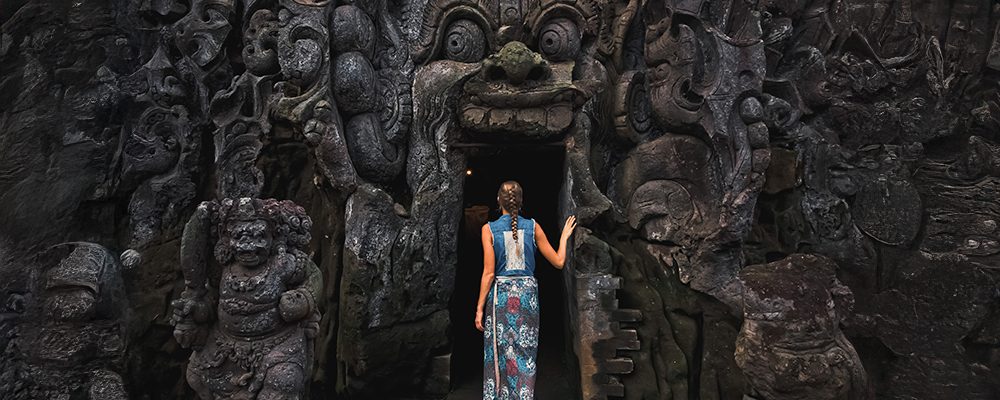
Bali’s unique form of Hinduism is woven into the fabric of daily life. To truly understand the island, you must explore its spiritual side.
- Visit Iconic Temples: The cliffside Uluwatu Temple offers stunning sunset views and Kecak fire dance performances. Tanah Lot, accessible only at low tide, is a photography icon. For a mountain experience, Pura Ulun Danu Bratan floats misty on a lake in Bedugul.
- Explore Rice Terraces: The Tegalalang Rice Terraces in Ubud are a UNESCO World Heritage site and a must-see for their intricate irrigation system (subak).
- Traditional Villages: Visit Penglipuran Village to see a beautifully preserved traditional community layout.
Travel Tip: When visiting temples, you must dress modestly. Sarongs and sashes are usually required (and often available for rent at the entrance). Be mindful of uneven paths and stairs at temple sites.
Beach, Water, and Island Activities
From black volcanic sand to pristine white shores, Bali’s coastline is legendary.
- Snorkelling and Diving: Head to Amed or Pemuteran for world-class diving, or take a boat to Nusa Penida to swim with Manta Rays.
- Surfing: From the beginner-friendly whitewash of Kuta Beach to the pro-level barrels of Uluwatu and Padang Padang, there is a wave for everyone.
- Beach Clubs: Enjoying a sunset drink at a beach club in Seminyak or Canggu is a quintessential Bali experience.
Risk Context: The ocean can be unpredictable. Rips are common, and not all beaches have lifeguards. Always swim between the flags where possible. If you are planning on diving or participating in water sports, check your travel insurance policy to see which activities are covered.
Adventure and Outdoor Experiences
For those who can’t sit still, Bali offers plenty of adrenaline.
- Mount Batur Sunrise Trek: An early morning hike up an active volcano to watch the sunrise is a challenging but rewarding experience.
- White Water Rafting: The Ayung River near Ubud offers fun, scenic rafting through the jungle gorges.
- Chase Waterfalls: Sekumpul, Gitgit, and Tegenungan waterfalls offer spectacular sights and refreshing swims.
Insurance Note: Adventure activities carry higher risks of injury. Ensure you are booking with licensed, reputable operators who prioritise safety equipment.
Food, Dining, and Nightlife
Bali’s culinary scene has exploded in recent years, blending local warung favourites with international gastronomy.
- Eat Local: Try Babi Guling (suckling pig) or Nasi Campur at a local warung.
- Cooking Classes: Learn to make your own sambal and satay in a traditional Balinese compound.
- Nightlife: From the mega-clubs of Kuta to the speakeasies of Seminyak and the clifftop bars of Uluwatu, the nightlife is vibrant.
Risk Context: "Bali Belly" is a common complaint. Stick to bottled water (even for brushing teeth), avoid ice in dubious places, and eat at busy venues with high turnover. Be cautious with alcohol; drink spiking can occur, so never leave your drink unattended.
Wellness, Relaxation, and Spas
If your goal is to reset, you are in the right place.
- Yoga Retreats: Ubud is the global capital of yoga. Drop into a class at The Yoga Barn or Radiantly Alive.
- Spa Treatments: You can find everything from a $10 foot massage on the beach to luxury holistic treatments in 5-star resorts.
- Traditional Healers: For a deeper cultural experience, some travellers seek out traditional Balinese healers (Balian).
Best Things to Do in Bali by Location
Bali is bigger than it looks on a map due to traffic and winding roads. It helps to plan your activities by region.
Ubud and Central Bali
The cultural heart of the island. This is where you go for jungle views, monkeys (at the Sacred Monkey Forest Sanctuary), art markets, and wellness. It’s cooler than the coast and offers a slower pace of life.
Seminyak, Canggu, and Kuta
This is the main tourist hub.
- Kuta/Legian: Busy, budget-friendly, and home to big shopping malls and nightlife.
- Seminyak: Upscale dining, designer boutiques, and chic beach clubs.
- Canggu: The hipster capital, famous for smoothie bowls, digital nomads, skate bowls, and surf breaks.
Risk Context: These areas have heavy traffic. Be vigilant with your belongings, especially phones and bags, when walking near roads or riding bikes.

Nusa Islands and Surrounding Areas
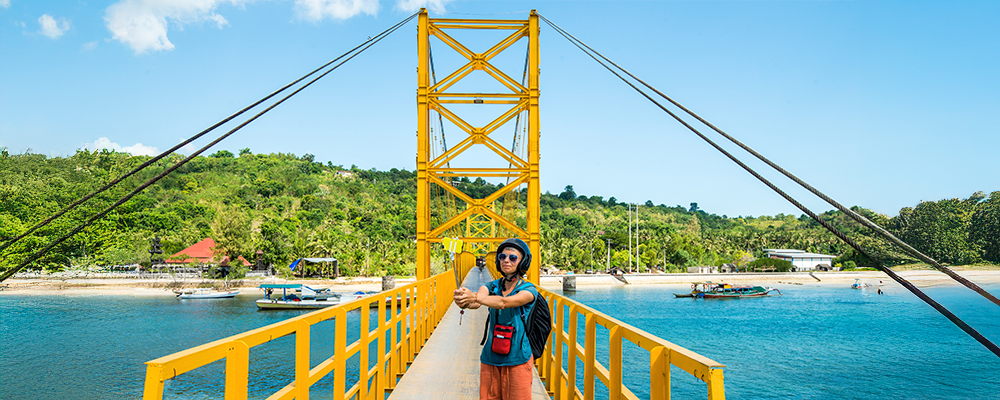
A 30-45 minute fast boat ride from Sanur gets you to Nusa Lembongan, Nusa Ceningan, or Nusa Penida. These islands offer a glimpse of what Bali was like 30 years ago—rugged cliffs, crystal clear water, and fewer crowds. Highlights include Kelingking Beach and the Yellow Bridge.
Travel Tip: Sea conditions can be rough during crossings. If you suffer from seasickness, prepare accordingly. Medical facilities on these smaller islands are limited compared to the mainland.
Planning Your Bali Activities
Best Time of Year for Activities
Bali has two seasons: Dry (April to September) and Wet (October to March). The dry season is best for outdoor activities, hiking, and beach days. The wet season brings humidity and daily rain showers, though it is often cheaper and less crowded. Surfers should note that the wind directions change between seasons, affecting which breaks are working.
How Many Days You Need
- 5-7 Days: Stick to one or two regions (e.g., Seminyak and a day trip to Ubud).
- 10-14 Days: Allows you to explore the coast, the mountains (Ubud), and perhaps hop over to the Nusa Islands.
Booking Tours and Experiences
For popular activities like the Mount Batur hike or fast boats to Nusa Penida, it is wise to book a day or two in advance, especially in peak season (July, August, and Christmas). However, for drivers and day trips, you can often negotiate a fair price locally. Always confirm what is included (entrance fees, parking, lunch) before agreeing on a price.
Safety and Risk Considerations When Exploring Bali
While Bali is generally a safe destination, being aware of common risks ensures your holiday stays memorable for the right reasons.
Transport and Getting Around
Traffic in Bali can be chaotic. While hiring a scooter is popular, it is also a leading cause of accidents for tourists.
Crucial Safety Note: To be covered by your travel insurance while riding a scooter, you generally must hold a valid New Zealand motorcycle license (not just a learner’s or car license) and an International Driving Permit (IDP) with motorcycle endorsement. You must be following all driving laws as well as wear a helmet. If you aren't licensed to ride a motorbike in New Zealand, you likely aren't covered to ride one in Bali. Hiring a private driver is a safer and very affordable alternative.
Insurance Note: Southern Cross Travel Insurance covers motorbike or moped engines up to 200cc (or 15kw output for electric models).
Personal Belongings and Theft
Violent crime is rare, but opportunistic theft happens. Keep your bag on the side of your body away from the road to prevent drive-by snatching. Use the safe in your accommodation for passports and excess cash.
Activity-Specific Risks
Be honest about your abilities. Don't attempt to surf a reef break if you’ve never surfed before and be wary of "arak" (local spirit) which has been linked to methanol poisoning in the past, stick to sealed, imported spirits or beer.

How Travel Insurance Fits Into a Bali Holiday
Unexpected events can happen even on the most relaxing holidays. Travel insurance is designed to provide a safety net when things don't go to plan.
In Bali, medical care for tourists is usually provided by private international hospitals. While the quality of care is high, the costs can be substantial. A simple case of severe Bali Belly requiring rehydration, or a scooter accident requiring surgery, can cost thousands of dollars. In serious cases, medical evacuation back to New Zealand can cost significantly more.
Beyond medical emergencies, travel insurance may offer cover for:
- Trip Cancellation: If you fall ill before you leave and cannot travel.
- Luggage and Personal Effects: If your bags are lost by the airline or stolen from your hotel.
- Travel Delays: Additional expenses incurred due to severe weather or airline disruptions.
At Southern Cross Travel Insurance, we understand the Kiwi love for Bali. We offer cover that includes 24/7 emergency assistance, so help is just a phone call away, no matter where you are on the island.
The content of this article is general and provided for information purposes only. Southern Cross Travel Insurance (SCTI) doesn’t guarantee or warrant the accuracy, completeness or currency of any article.
This article may contain hyperlinks to other websites owned or operated by third parties, or references to third party products or services. SCTI isn’t responsible for, and makes no recommendation about, the content or accuracy of any third party website, or for the suitability or performance of any product or service. The inclusion of a link in this article doesn’t imply that SCTI endorses the website or third party product/service.