



How to Make the Most of Your Annual Leave in 2026
What if there was a way to take more holidays without worrying about running out of annual leave? There is!

We’ll show you how to make the most of the New Zealand public holidays in 2026 so you can get away on some must-do adventures. Whether it’s a relaxing long weekend or the chance to head overseas for a couple of weeks, get these dates in the diary and enjoy our tips for maximising your annual leave.
New Zealand Public Holidays 2026
As much as we all love a day off work, unless you’re a super-organised person you might find that public holidays have a habit of taking you by surprise. Rather than enjoying this bonus holiday you’re left regretting your lack of foresight and planning – if only you’d spotted that Easter and Anzac Day were so close together, you could have booked the days off in between and really had a chance to unwind! Let's make 2026 your year for holidays; here are the dates you need to know.

2026 Public Holidays
- New Year’s Day – Thursday, 1 January
- Day after New Year’s Day – Friday, 2 January
- Waitangi Day – Friday, 6 February
- Good Friday – Friday, 3 April
- Easter Monday – Monday, 6 April
- Anzac Day – Saturday, 25 April (observed Monday, 27 April)
- King’s Birthday – Monday, 1 June
- Matariki – Friday, 10 July
- Labour Day – Monday, 26 October
- Christmas Day – Friday, 25 December
- Boxing Day – Saturday, 26 December (observed Monday, 28 December)
In 2026 there are 11 nationwide public holidays, before you even add your regional anniversary day. That means plenty of chances to join weekends, school holidays and public holidays together into longer breaks.
Because Anzac Day and Boxing Day fall on a weekend in 2026, they are “Mondayised” and observed on the following Monday for people who do not usually work weekends. This creates extra-long weekends without using any annual leave.
Regional anniversary days in 2026
On top of the national holidays, every region gets its own anniversary day. These are only observed locally, but they are perfect for turning a three day weekend into a longer break. Key 2026 dates include:
- Wellington Anniversary - Monday 19 January
- Auckland Anniversary (also covers much of the upper North Island) - Monday 26 January
- Nelson Anniversary - Monday 2 February
- Taranaki Anniversary - Monday 9 March
- Otago Anniversary - Monday 23 March
- Southland Anniversary - Tuesday 7 April (right after Easter)
- South Canterbury Anniversary - Monday 28 September
- Hawke’s Bay Anniversary - Friday 23 October (Friday before Labour Day)
- Marlborough Anniversary - Monday 2 November
- Canterbury Anniversary - Friday 13 November
- Chatham Islands and Westland Anniversary - Monday 30 November
If you live in one of these regions, add your anniversary date into your calendar now. Most of them sit near other holidays or weekends, so they are prime opportunities to stretch your annual leave further.
School Holidays 2026
(Dates approximate based on Ministry of Education guidelines.)
- Term 1: Friday 3 April (Good Friday) – Sunday 19 April
- Term 2: Saturday 4 July – Sunday 19 July
- Term 3: Saturday 26 September – Sunday 11 October
- Term 4: Varies by school, but no later than Saturday 19 December for 5–6 weeks.
The official school term dates place the Term 1 holiday period from Friday 3 April to Sunday 19 April, Term 2 holidays from Saturday 4 July to Sunday 19 July, and Term 3 holidays from Saturday 26 September to Sunday 11 October. Always check your child’s school for any local variations.
For families, the sweet spot is where school holidays overlap with public holidays. In 2026 that includes Easter and Anzac Day in April, Matariki in the July break, and Labour Day within the September or October holidays. That is where you can save the most annual leave while still travelling when the kids are off school.
How to maximise your annual leave in 2026
New Year and early January:
With New Year’s Day and the Day after New Year’s Day on Thursday 1 and Friday 2 January, booking annual leave from Monday 5 to Friday 9 January gives you 11 days off in a row, from Thursday 1 to Sunday 11 January, for only 5 days of leave.
Waitangi Day and regional anniversaries:
If you live in Nelson, your anniversary day on Monday 2 February sits close to Waitangi Day on Friday 6 February. Taking Tuesday 3 to Thursday 5 February as annual leave turns these dates into a 9 day break from Saturday 31 January to Sunday 8 February.
Easter, Anzac Day and Southland Anniversary:
Good Friday falls on 3 April, Easter Monday on 6 April, Southland Anniversary on Tuesday 7 April, and Anzac Day is Saturday 25 April with Monday 27 April as the observed holiday. Southland locals can turn 4 days of annual leave into a huge block of time off by booking 8–10 April and 14–17 April, then using the weekends and public holidays around them.
Matariki in the July school holidays:
Matariki falls on Friday 10 July, right in the middle of the Term 2 break. Book Monday 6 to Thursday 9 July, or Monday 13 to Thursday 16 July, and you get a 9 day winter escape with just 4 days of leave. Ideal for a ski trip or a snug family getaway.
Labour Day and Hawke’s Bay Anniversary:
Hawke’s Bay Anniversary on Friday 23 October plus Labour Day on Monday 26 October gives a 4 day long weekend before you even touch your leave balance. Add annual leave from Tuesday 20 to Thursday 22 and Tuesday 27 to Friday 30 October to build a 16 day break for 8 days of leave.
Christmas and Boxing Day:
Christmas Day is Friday 25 December, Boxing Day is Saturday 26 December, and the Boxing Day holiday is observed on Monday 28 December. By booking annual leave on Tuesday 29 to Thursday 31 December, you enjoy 8 consecutive days off from Friday 25 December to Friday 1 January using only 3 days of leave.
If you reuse this strategy across the year, it is possible for many workers to turn around 20 days of annual leave into more than 40 days away from work by stacking weekends, public holidays and anniversary days together.
Our top tips for taking time off

Book an Easter getaway
April is looking like the best month to take a holiday in 2026, with Easter and Anzac Day landing close together. With NZ public holidays on Good Friday (3 April), Easter Monday (6 April) and Anzac Day (25 April), you could make a 16-day holiday by taking eight days of annual leave on 7–10 April and 13–17 April.
This could be the perfect time for a family holiday as the kids will also be off school from Saturday 11 April to Sunday 26 April 2026.
Southlanders especially need to take advantage of this holiday break with Southland Anniversary Day on Tuesday 7 April, the day after Easter. This brings us to our next top tip...
Don’t forget your anniversary
Regional anniversary days often fall on a Monday, so if you’re trying to find time for a long weekend here’s your opportunity. If like our friends down south your anniversary day falls close to another holiday you’ve got a real chance to maximise your leave.
For example:
- Hawke’s Bay Anniversary on Friday 23 October followed by Labour Day on Monday 26 October gives you a blissful four-day weekend. Book extra days off either side (20–22 and 27–30 October) and, bingo, 16 days away with only eight days off work.
- Nelson Anniversary on Monday 2 February ties in nicely with Waitangi Day on Friday 6 February. Take Tuesday, Wednesday and Thursday off work, add in the weekends either side and you’ve found yourself a neat nine-day window for a holiday.
Other handy anniversary combinations include Auckland Anniversary on Monday 26 January, which can be turned into a 9 day beach break with just 4 days of annual leave, and Wellington Anniversary on Monday 19 January for a long weekend in the capital or a quick getaway to the Wairarapa.
Stacking public holidays with your annual leave
The simple formula for making the most of 2026 looks like this:
- Each time you do this you get a 9 day break using only 4 days of leave. When you use that pattern with Easter, Matariki, Labour Day and your regional anniversary, the year starts to fill with decent chunks of time off instead of just scattered long weekends.
Where to go for longer holidays
With a couple of weeks up your sleeve, an overseas holiday could certainly be on the cards.
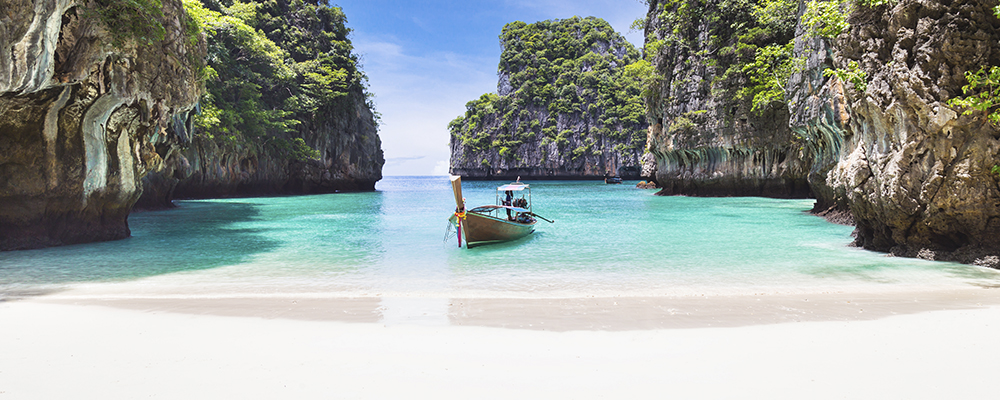
Our pick for the long Easter break:
A family trip to the Pacific Islands. April is a great time to visit, with warm, pleasant temperatures averaging around 25°C–30°C. Perfect for relaxing on pristine beaches, snorkeling in crystal-clear waters, and enjoying vibrant island culture, all without the intense heat of peak summer.
Other favourite destinations for longer trips include:
- Singapore – shopping, eating, and futuristic nature parks.
- Japan – how about a ski holiday during the long Christmas break?
- Australia – plan that great Aussie road trip you’ve been dreaming of.
- If you prefer to stay closer to home, the July Matariki break is perfect for a South Island ski trip, while the October Labour Day window suits a North Island roadie taking in Hawke’s Bay, Taranaki or the Coromandel before peak summer prices kick in.
Where to go for short breaks
Even if you only have a few days off, there are plenty of fun and exciting options for holidays.
- Australia city break – Melbourne or Sydney for a long weekend.
- Pacific Islands – Fiji or Vanuatu for beaches and relaxation.

Don’t forget your Travel Insurance
Even the best-laid plans can go wrong. Accidents happen, people fall sick, and travel plans change. Consider domestic travel insurance for local trips and comprehensive cover for international holidays.
Frequently asked questions about maximising annual leave in New Zealand in 2026
How much annual leave do most full-time workers get in New Zealand?
Most employees are entitled to at least 4 weeks of paid annual holidays each year after 12 months with the same employer. This minimum comes from the Holidays Act and does not include public holidays, sick leave or bereavement leave. Your employment agreement can offer more, but not less.
Do public holidays come out of my annual leave balance?
No. Annual leave is separate from public holidays. If a public holiday falls during your booked annual leave, that day is treated as a public holiday, not a leave day, and you are paid for it separately. Your annual leave balance is not reduced for that date.
What is “Mondayisation” and why does it matter in 2026?
Mondayisation is when a public holiday that falls on a weekend is observed on the following Monday, or sometimes Tuesday, so that people who do not usually work weekends still get the benefit of a public holiday. In 2026 this affects Anzac Day and Boxing Day, which both generate Monday holidays you can stack with weekends and annual leave.
Can my employer refuse my leave request around public holidays?
Yes, if there are reasonable business reasons. Employers must consider your request in good faith, but they can decline or suggest different dates if too many people are away, if your role is essential during a busy period, or if the workplace shuts down at another time of year. Putting requests in early, especially for Easter, July and October, gives you a better chance.
How do regional anniversary days work for leave planning?
Regional anniversary days are treated much like public holidays within that province. If the day would normally be a working day for you, you are entitled to a paid day off or public holiday pay if you work. Because most of them fall on a Monday or Friday, they are excellent anchor points for long weekends and 9 day breaks using 4 days of annual leave.
What is the best way to maximise annual leave in 2026?
Start by mapping your own region’s anniversary day, then layer in the 11 national public holidays and school holidays if you have children. Target long weekends in January, April, July, October and late December, and use the “4 days of leave for 9 days off” pattern around Mondayised holidays whenever possible. Even without extra leave from your employer, that approach can turn a standard entitlement into many more days away from work.
The content of this article is general and provided for information purposes only. Southern Cross Travel Insurance (SCTI) doesn’t guarantee or warrant the accuracy, completeness or currency of any article.
This article may contain hyperlinks to other websites owned or operated by third parties, or references to third party products or services. SCTI isn’t responsible for, and makes no recommendation about, the content or accuracy of any third party website, or for the suitability or performance of any product or service. The inclusion of a link in this article doesn’t imply that SCTI endorses the website or third party product/service.